
Property maintenance planning — build better information through inspection history
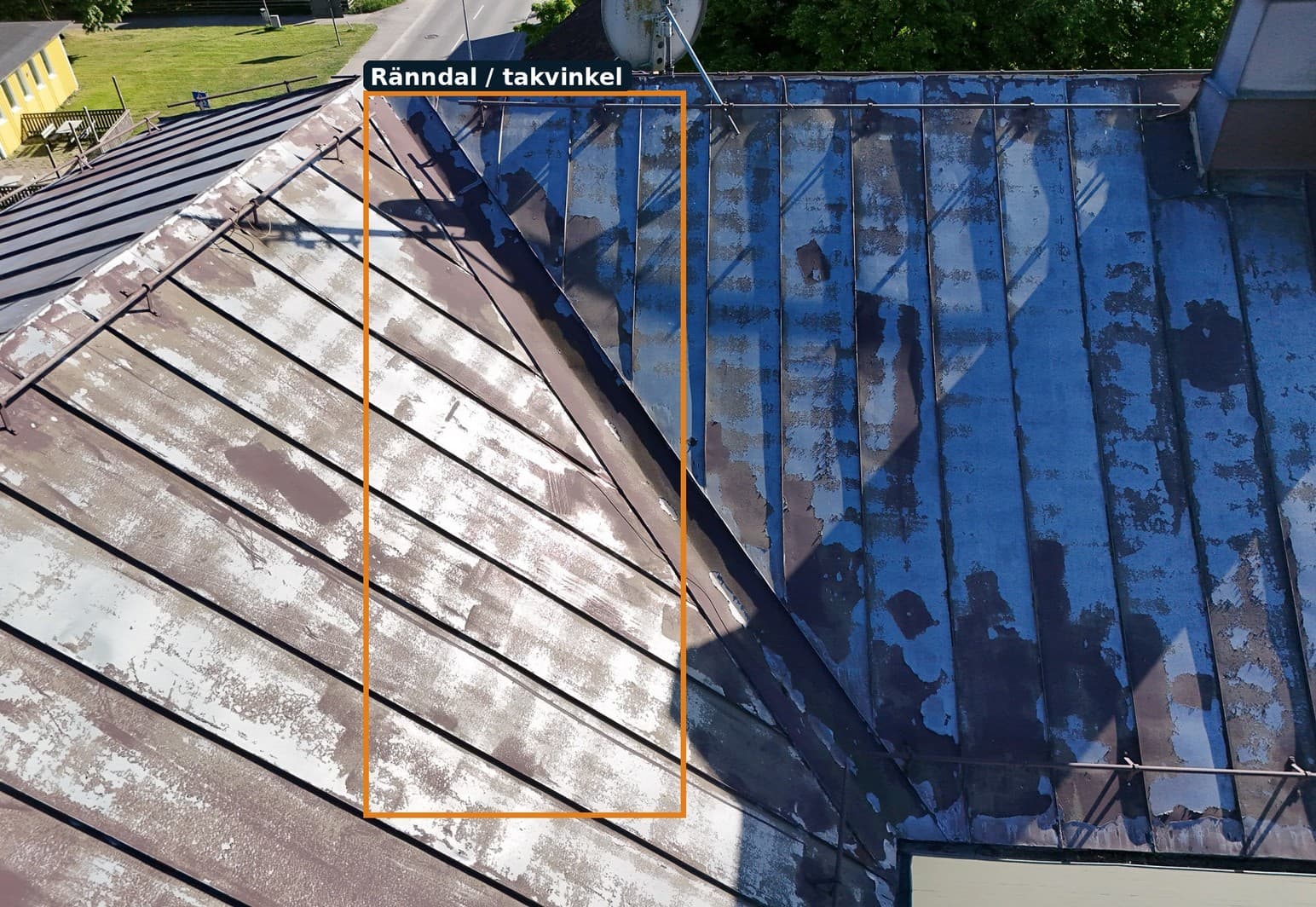
A maintenance plan is easier to use when you can trace why an action was added and what information it relies on. Recurring inspections can provide this history, but only if the material is structured.
For property companies and technical property managers, we therefore recommend following each observation as an issue over time. New images should supplement the previous assessment rather than replace it without explanation.
An inspection report provides information — not the entire plan
The report describes what was observed within the scope of the project. The maintenance plan also needs to consider finances, coordination, previous work and the owner's objectives. An image inspection alone cannot determine the remaining service life of every building element.
Therefore, distinguish observations, proposed actions and approved investments. This makes it clear what has been checked and what still needs investigating or calculating.
Keep the same identity at every inspection
Use a fixed ID for the building, building element and observation. For example, record:
- location and image references,
- date and inspection method,
- observation and technical assessment,
- priority and recommended follow-up,
- responsible role and status,
- completed work and evidence for reinspection.
An illustrative issue might be called TAK-014. At the first inspection, an area requiring investigation is recorded. At the next visit, the new assessment is added under the same ID. If a contractor carries out work, that information is saved before the issue is potentially closed following verification.
Distinguish actual changes from different imaging conditions
Two images are not automatically comparable simply because they show the same roof. Camera angle, resolution and visible surfaces affect interpretation. For thermal material, measurement conditions must also be considered.
Therefore, commission recurring documentation with clear location references and a method that is as comparable as the project allows. If something cannot be compared, this should be stated rather than presenting an uncertain difference as confirmed deterioration.
Use the history in budgeting and procurement
A summary can distinguish issues awaiting investigation, approved actions and closed items. This makes the next brief easier to formulate: exactly which area should be inspected and which question should the contractor answer?
When several assets have similar needs, the property management team can also assess whether work should be coordinated. However, cost savings need calculating; they should not be assumed simply because more images are available.
Agree format and responsibility before starting
Agree how reports and image references will be handed over to your organisation. Decide who updates the status and what is required for an issue to be considered closed. The history needs to work even if the property manager or supplier changes.
Start by reading our guide to standardised drone building inspections. UAS Inspect can adapt building inspections and reporting to your follow-up process. Discuss recurring inspections of your portfolio.